Understanding WAAM
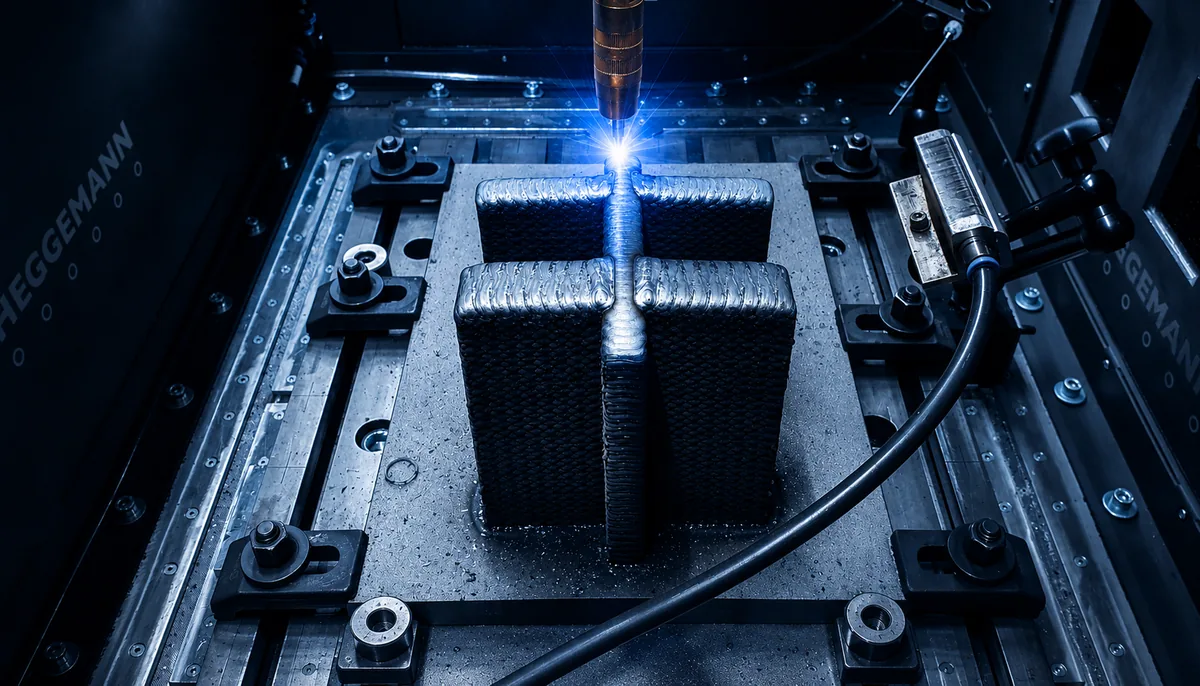
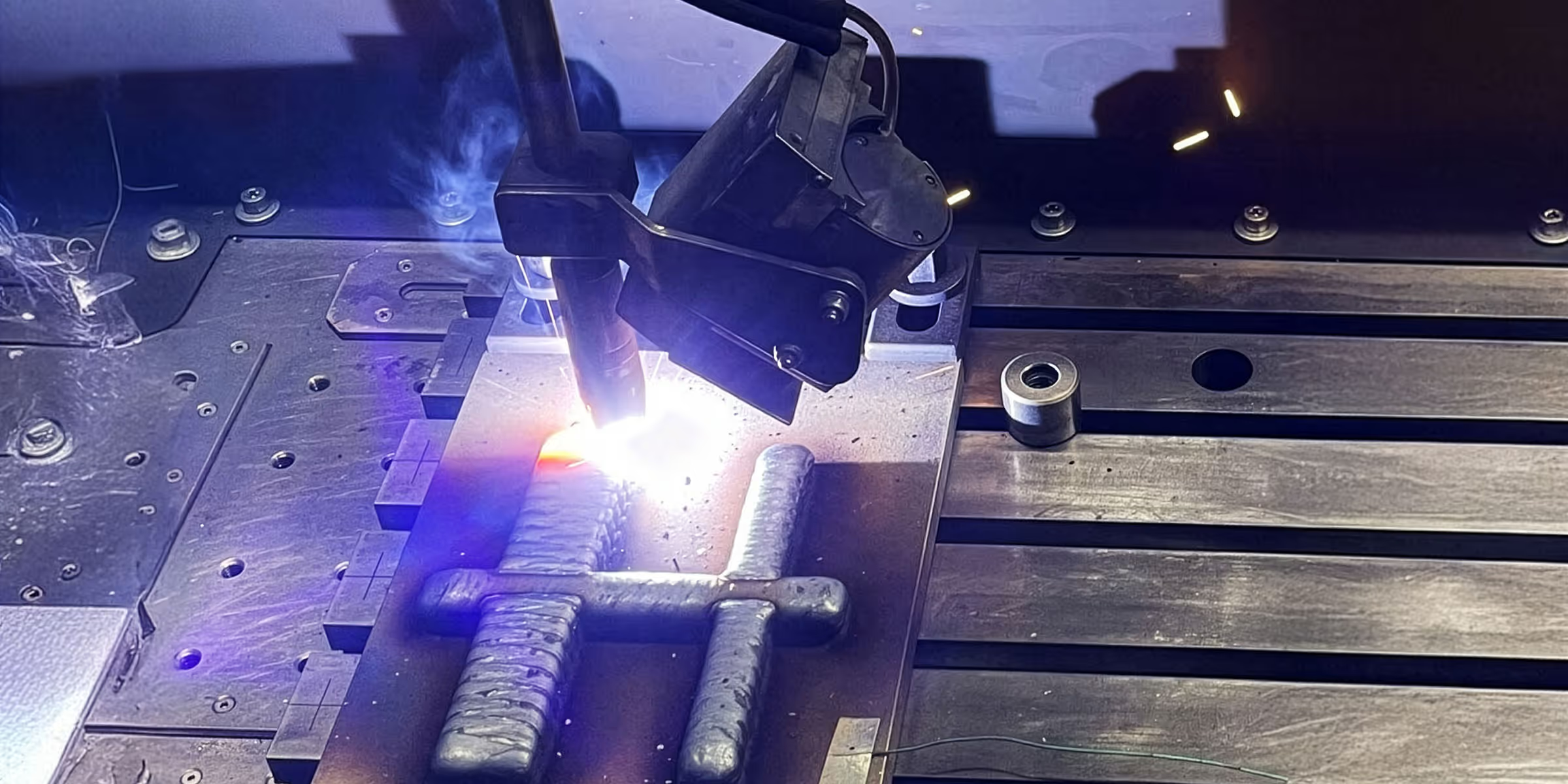
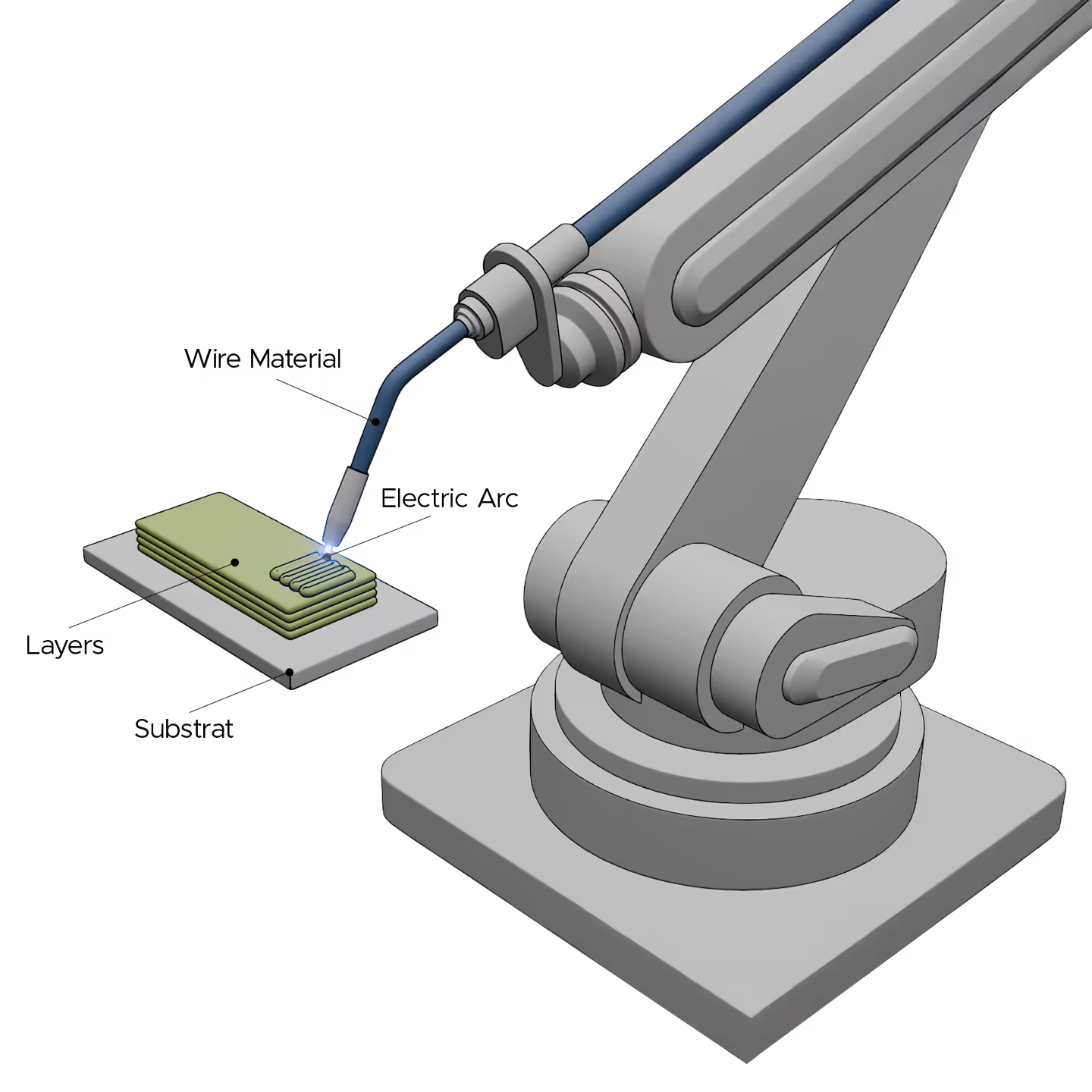
Wire Arc Additive Manufacturing (WAAM) is an advanced additive manufacturing process using gas metal arc welding. In this process, wire is melted using an electric arc and applied layer by layer to produce strong, metallurgically bonded components.
Thanks to its high deposition rates and targeted material application, WAAM is both energy- and material-efficient. It is particularly well suited for the production of near-net-shape semi-finished products, minimizing the need for costly machining and reducing material waste.
Advantages at a Glance
Reduced Production Time
Up to
Reduced Post-Processing Time
Up to
Reduced Costs
Up to
High Deposition Rates
Up to
Why WAAM?
WAAM offers significant advantages over conventional additive manufacturing processes, such as higher deposition rates of up to 2.5 kg/h - five times more than conventional processes.
It cuts production time by 40-60 % and post-processing by 15-20 %.
Multi-axis robotic welding ensures flexibility, making WAAM ideal for large-scale component manufacturing.
Wire as feedstock offers essential advantages compared to powder: almost complete material utilization, lower costs, and safe handling without metallic fine dust.
Additive Manufacturing
Additive manufacturing significantly reduces material waste, energy consumption, and production costs by minimizing complex machining processes. Its revolutionary design freedom enables lightweight construction and customization, making it ideal for sustainable small-batch production.
WAAM uses gas metal arc welding, in which an electric arc is used to melt the wire and deposit it layer by layer. The Fronius Cold metal transfer (CMT®) technology minimizes heat input and further reduces energy consumption.

Concept & Planning
- Feasibility studies
- Specifications
- Data collection
- Component design

Quality Assurance
- Comprehensive inspections
- Documentation
- Qualification
- Certification
Production
- Engineering & prototyping
- Tooling development
- Surface & heat treatments
- Material characterization
Validation & Optimization
- Testing
- Validation
- Continuous process improvement
- Handling non-conformities effectively
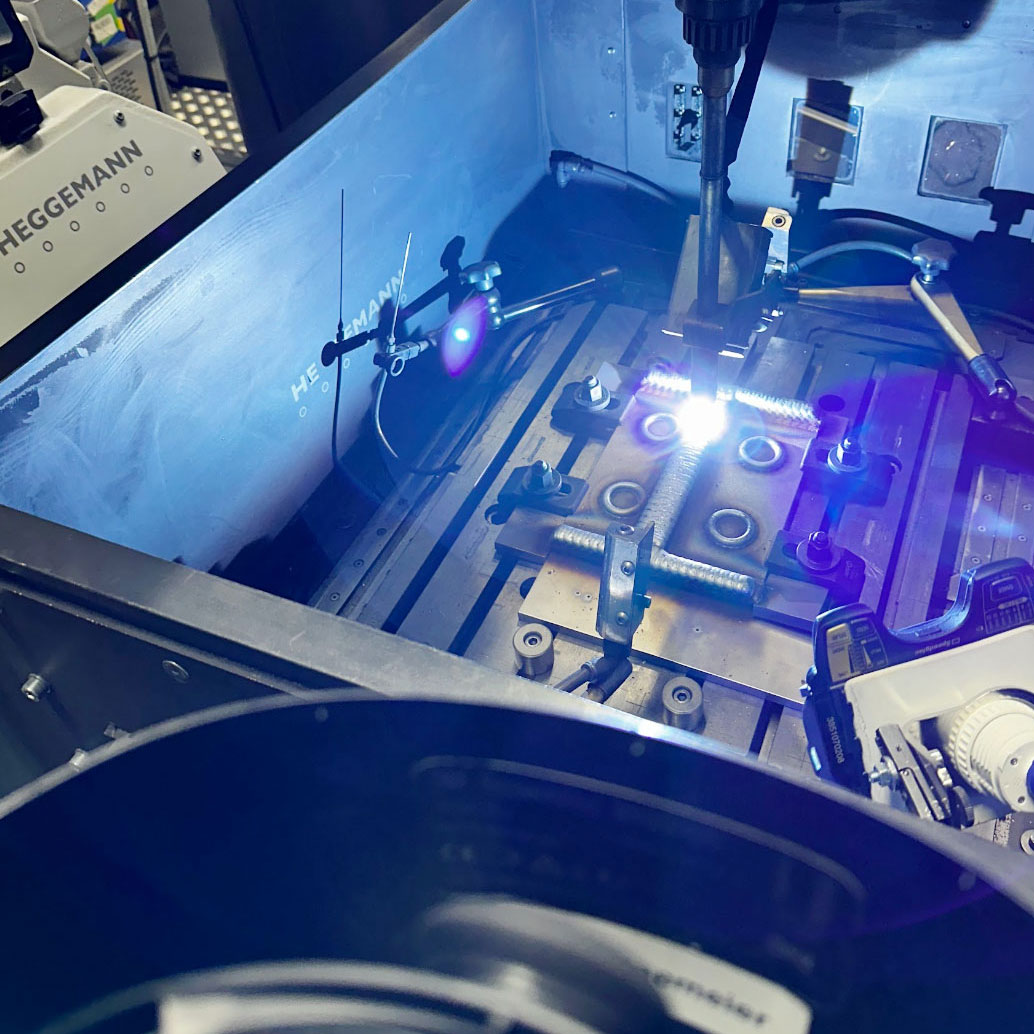

proWAAM – Complete Solution for Economical WAAM Manufacturing
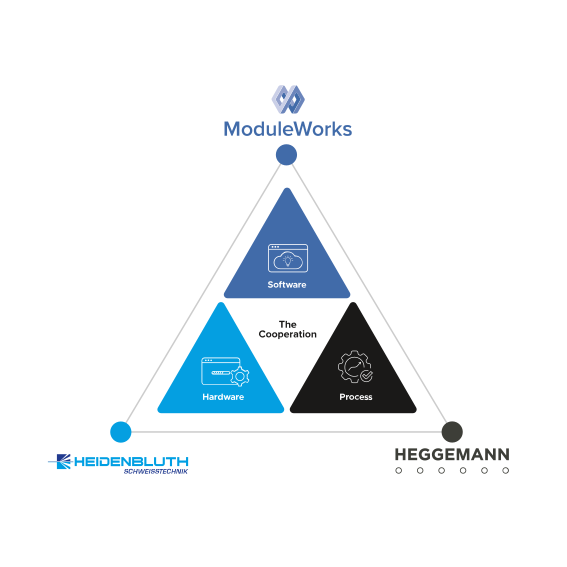
proWAAM combines the expertise of HEGGEMANN, ModuleWorks and Heidenbluth to deliver additive metal manufacturing in a seamless, certified and economical manner. In the past, many WAAM projects failed due to isolated solution approaches without a holistic view of quality, process chain and certification.
- HEGGEMANN ensures aerospace grade quality and reliable production processes, which are essential for certification.
- ModuleWorks enhances manufacturing performance through automated toolpath planning and simulation, minimizing manual intervention and errors.
- Heidenbluth provides customized systems, training and maintenance to ensure smooth implementation and long term operational stability.
Your Benefits.
through efficient processes and material savings
through automated planning and simulation
to meet individual customer requirements
from initial planning to operational execution
Through our partner network, we continuously expand our capabilities to provide future ready solutions.
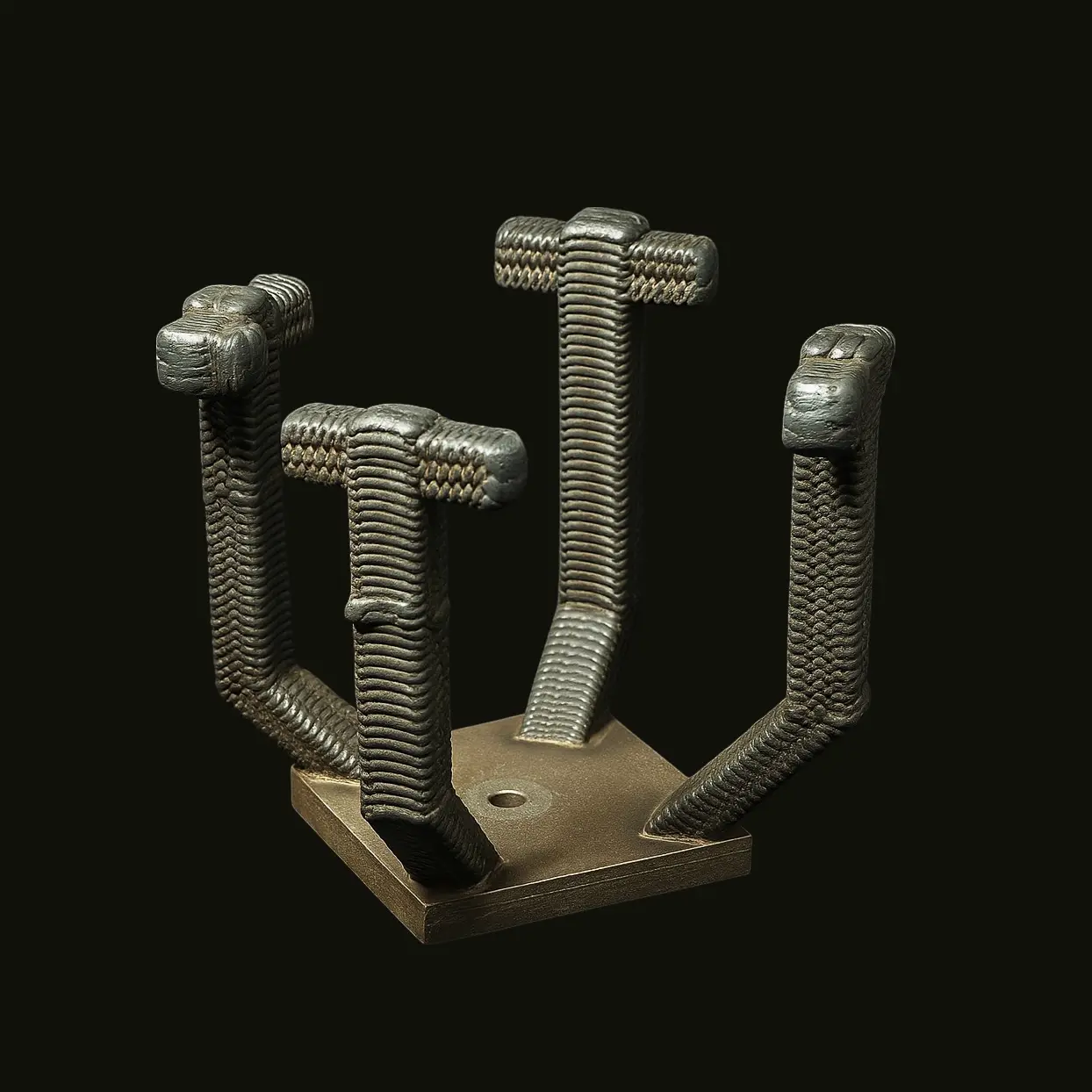
Size
180 × 180 × 190 mm
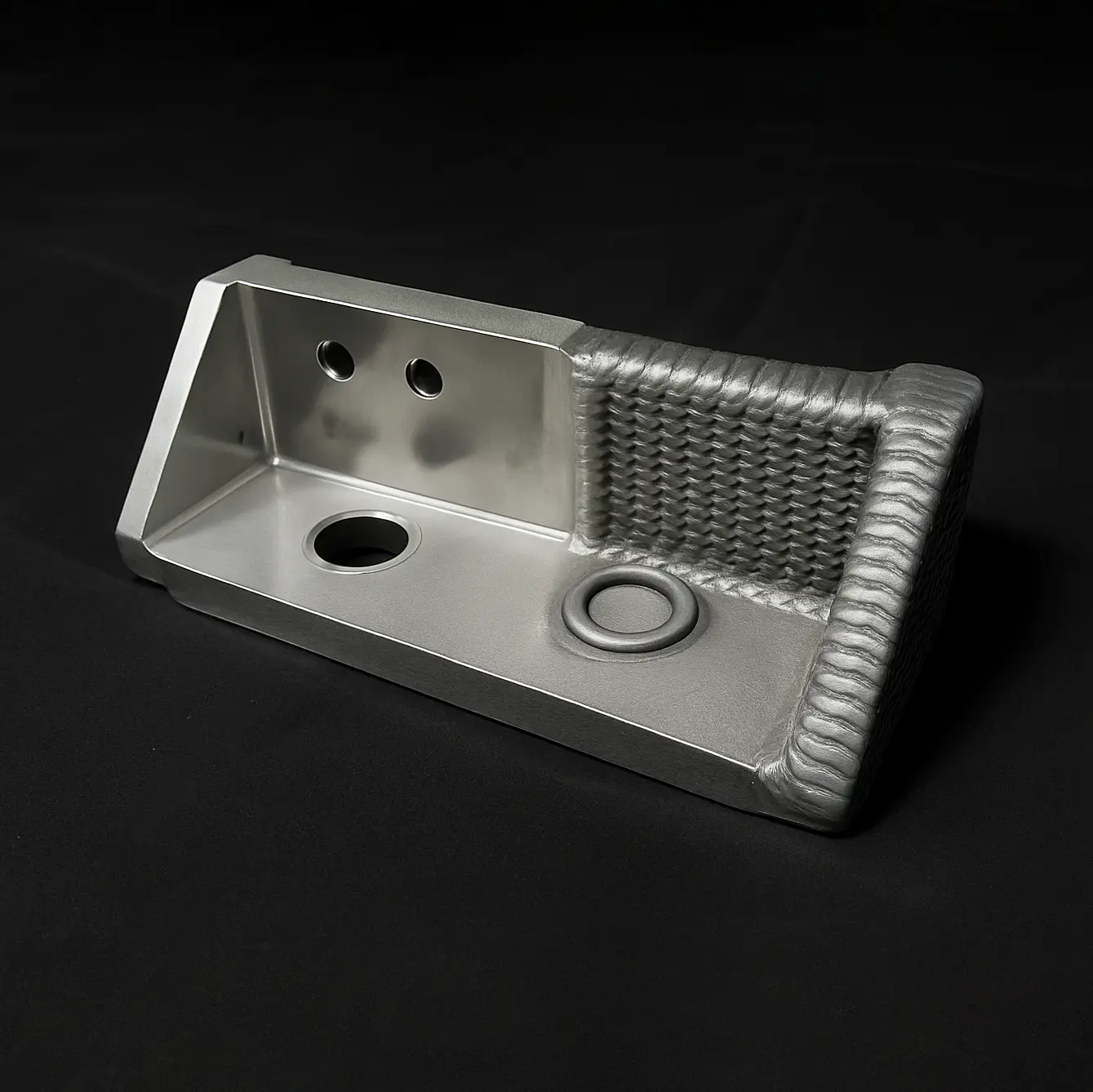
Size
245 × 180 × 90 mm
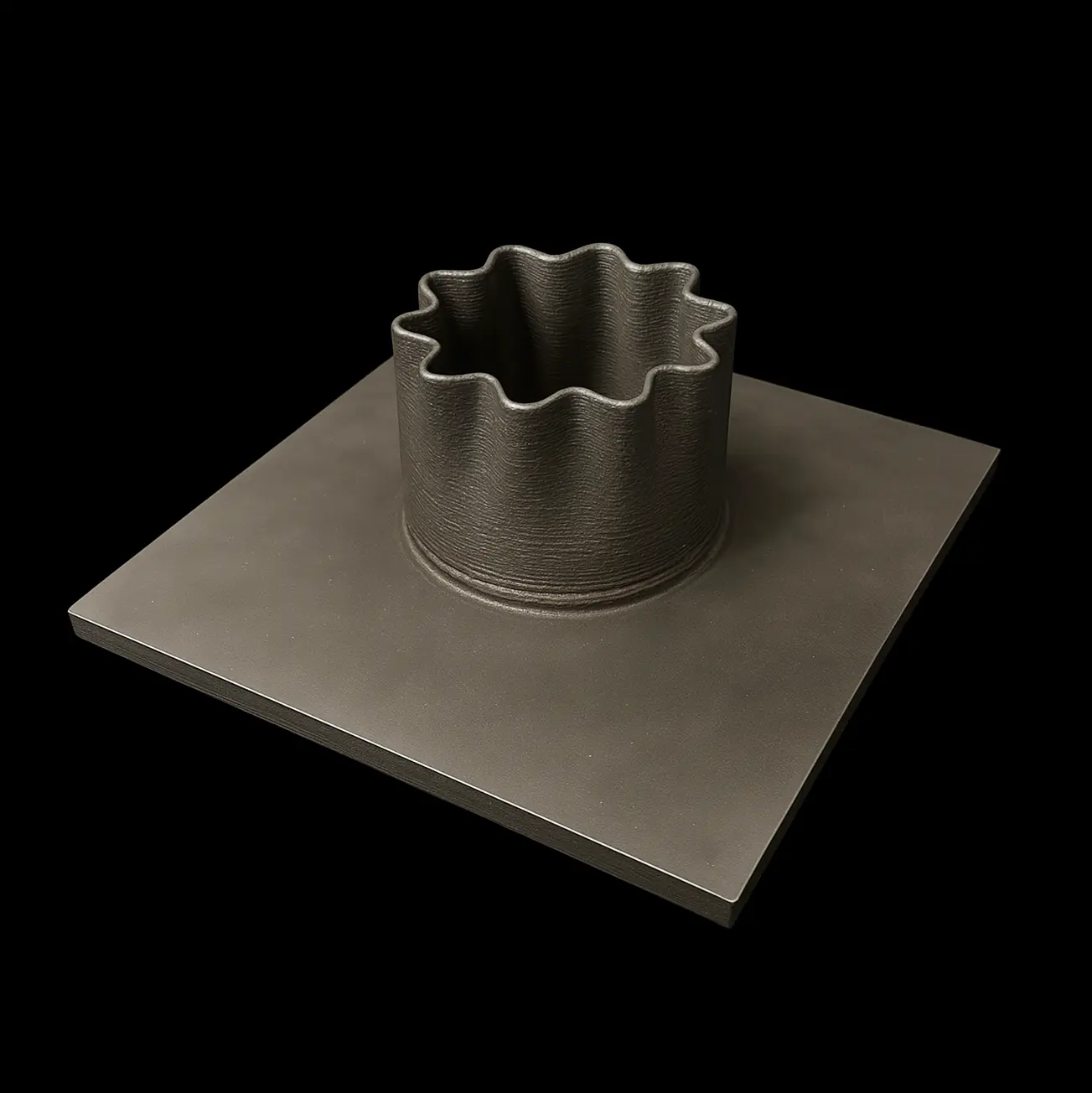
Size
90 × 90 × 60 mm
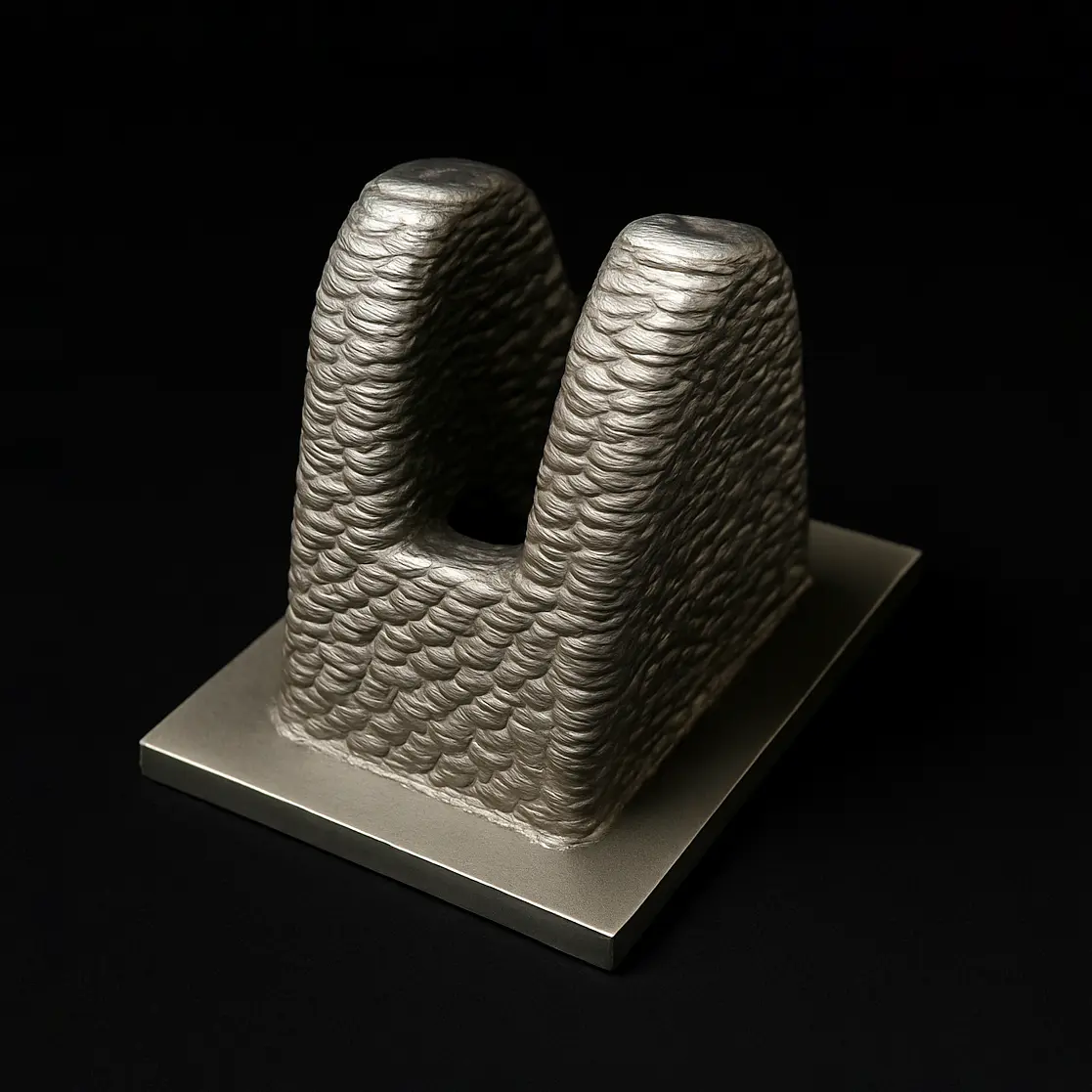
Size
200 × 150 × 170 mm
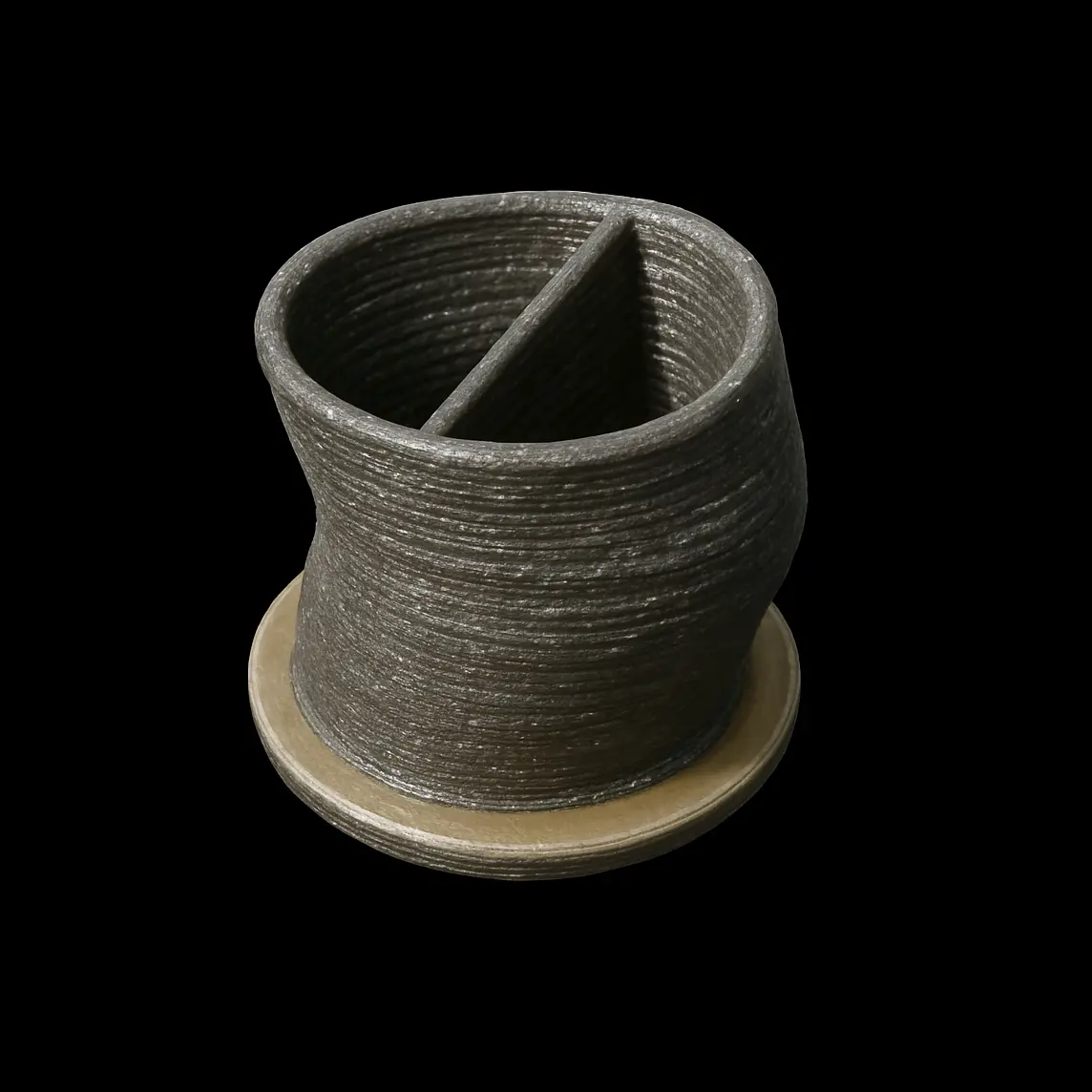
Size
100 × 100 × 80 mm
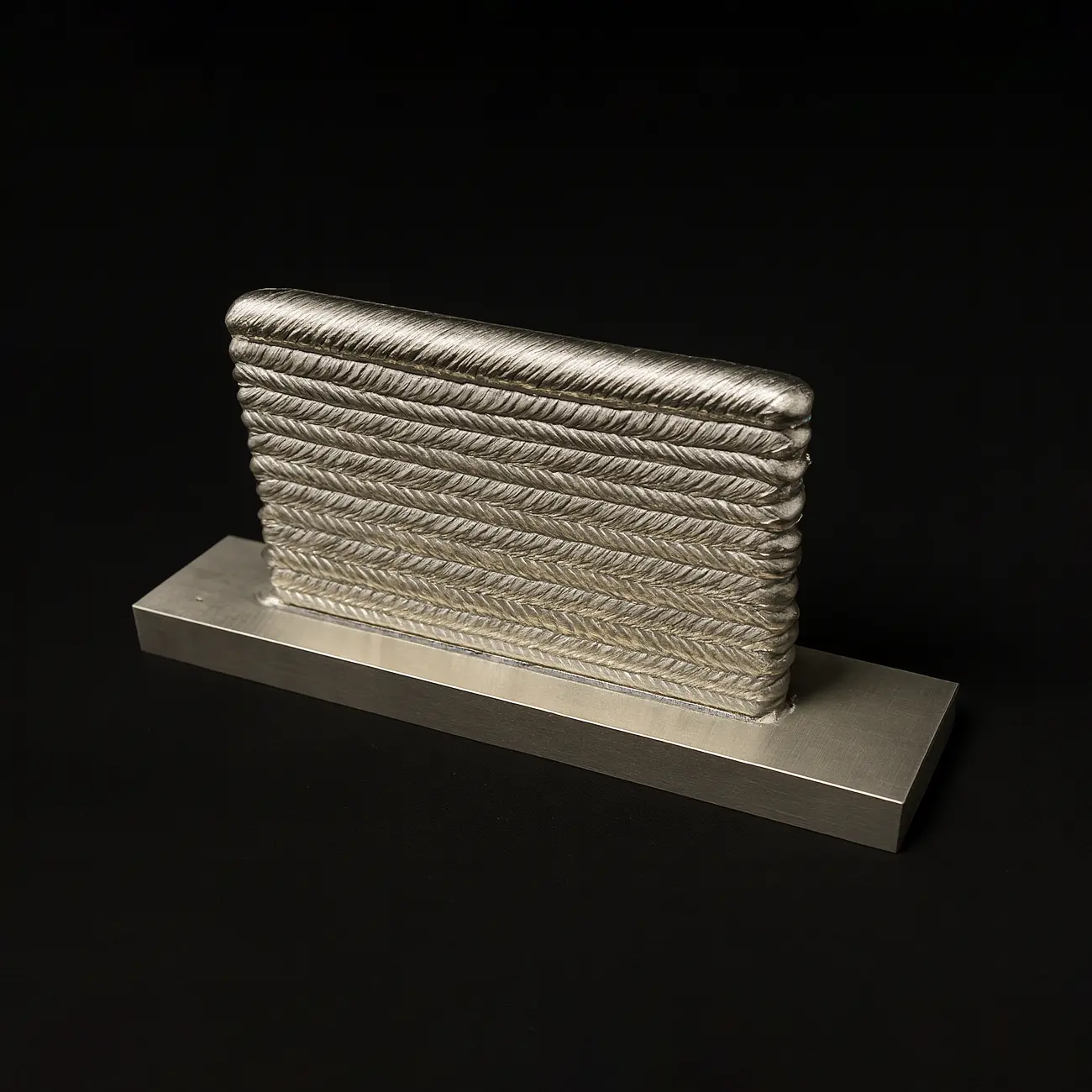
Size
170 × 20 × 110 mm
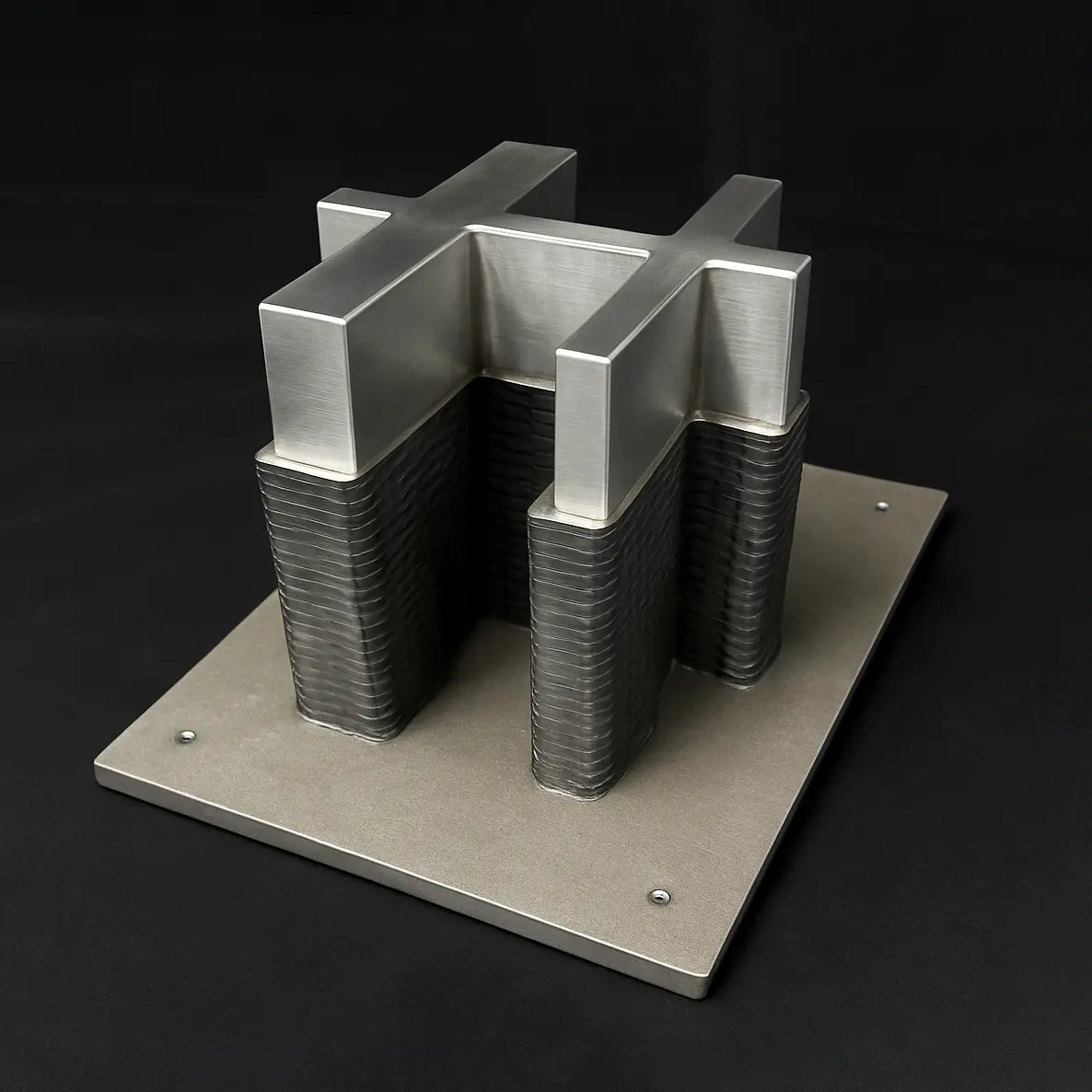
Size
160 × 160 × 160 mm
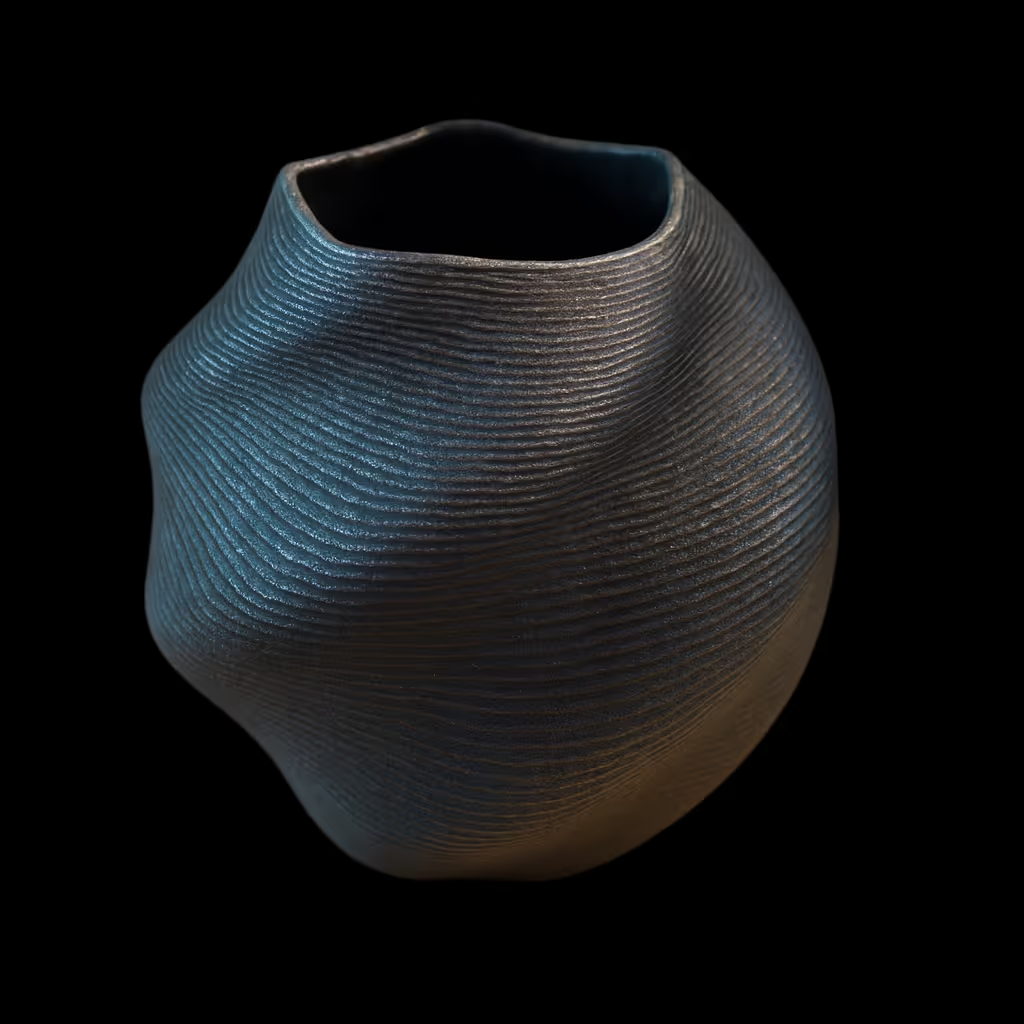
Size
210 × 210 × 190 mm
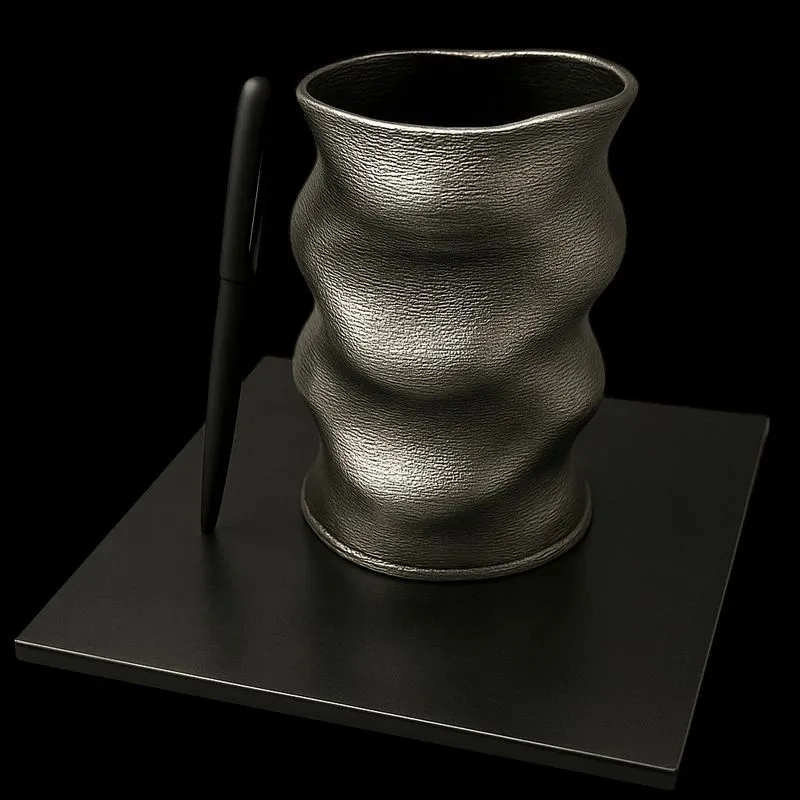
Size
90 × 90 × 140 mm
Discover the Potential of Additive Manufacturing
Learn more about WAAM technology, its benefits, and its applications in aerospace, defence and industry.
WAAM Whitepaper